Blockchain: In a Nutshell
- Mar 12, 2023
- 3 min read
Hey there! Have you heard of blockchain? You may have seen it in the news lately, especially when it comes to digital currencies like Bitcoin. But what exactly is blockchain, and why is it such a big deal? Let's dive in and find out!

At its core, blockchain is a way of storing and sharing data that makes it virtually impossible to tamper with. Think of it as a digital ledger that records transactions, ownership, or any other kind of information you might want to store securely. But what sets blockchain apart from other databases is that it's distributed - meaning that copies of the ledger are stored on multiple computers all over the world.
So why is that important? Well, for one thing, it makes blockchain more egalitarian and transparent. Since anyone can access and verify the data stored on a blockchain, it's much harder for any one person or organization to control or manipulate it. And since the data is stored across multiple computers, there's no single point of failure - even if one computer goes down, the data remains accessible and secure.
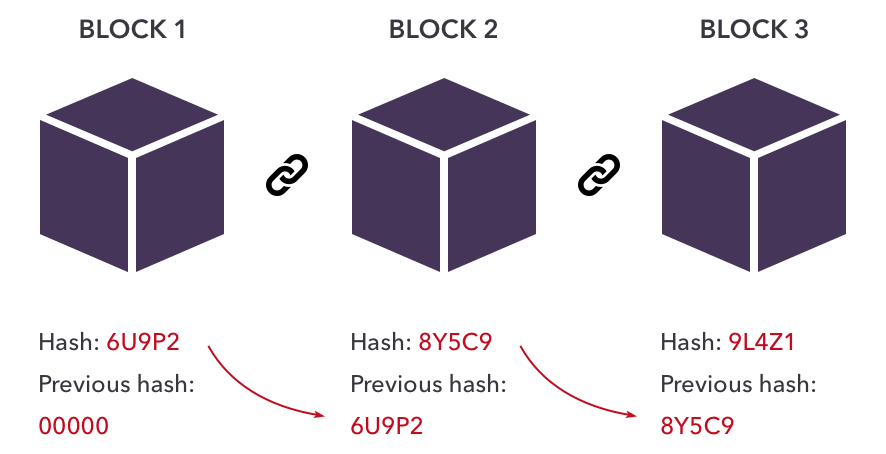
But how does blockchain actually work? Let's break it down. Each block in the chain contains a set of data, along with a unique identifier called a hash. This hash is generated by a mathematical algorithm that takes the contents of the block and turns them into a random string of characters. Once a block is created, it's added to the chain, and the hash of the previous block is included as part of the data in the new block.
This linking of blocks is what makes it a blockchain - each block is "chained" to the one that came before it, forming an unbreakable sequence of data. And since each new block includes the hash of the previous block, it's virtually impossible to alter the contents of any block without breaking the chain.
But here's where things get a bit more complicated. There are actually two different types of blockchain - permissioned and permissionless. In a permissioned blockchain, access to the ledger is restricted to a certain group of users - for example, a company might use a permissioned blockchain to track inventory across its supply chain. In a permissionless blockchain, anyone can access the ledger and participate in creating new blocks - this is the type of blockchain used by Bitcoin and other cryptocurrencies. So how do new blocks get added to the chain? Well, that's where the concept of "mining" comes in. Essentially, mining involves solving a complex mathematical puzzle that requires a lot of computing power. Each time a miner solves the puzzle and creates a new block, they're rewarded with a certain amount of cryptocurrency. This incentivizes miners to devote more computing power to the network, which in turn makes the network more secure. But here's the catch - all that mining takes a lot of energy. In fact, some estimates suggest that the Bitcoin network alone consumes as much electricity as a small country. And since much of that energy comes from fossil fuels, that means that blockchain technology could be contributing to climate change. Now, before you go selling all your Bitcoin and swearing off blockchain forever, it's worth noting that there are ways to make blockchain more environmentally friendly. For example, some researchers are exploring the use of renewable energy sources to power mining operations, while others are working on more energy-efficient algorithms for solving the mining puzzle. And in the long run, advances in quantum encryption could make blockchain even more secure and energy-efficient. So there you have it - the basics of blockchain and why it's such a big deal. Whether you're a cryptocurrency investor or just someone interested in the latest tech trends, understanding blockchain is essential. And who knows - maybe you'll even come up with the next big blockchain breakthrough yourself!



Comments